Thursday, June 8, 2017

Should Zoos Exist?


Everyone remembers the day when they were taken to the zoo as a child.  The feeling of happiness that took hold of us as we gazed at majestic and exotic animals while snacking on cotton candy or ice cream is one that we have held onto tightly.  Zoos and aquariums are considered institutions in our society on par with parks, museums, theaters, and libraries.  This is because we get a great thrill by coming face to face with exotic and rare creatures.  But is the entertainment value of such places enough of a reason for them to exist?  All of these establishments rely on captive animals in order to subsist.  If we are to continue to keep these animals away from their natural habitat and lifestyle then zoos must prove that their existence is necessary to our society.  The question that I would like to explore is thus, do organizations like zoos provide enough positive services to both humans and animals to offset the negative impact placed upon the captive animals that these organizations confine?

I think there are three camps of people when it comes to zoos and like places.  There are those that believe that zoos provide essential services to education and conservation, there are those that believe that zoos are unnecessary institutions that profit off of animal cruelty, and there are those that do not think about the subject except to dreamily remember a warm summer's day spent looking at chimpanzees.  Unfortunately, I think most of the population are in this third category and I think that is unfair to the animals that we have kept away from their native homes.  We owe it to these creatures to really explore this question until we have reached a solid conclusion.
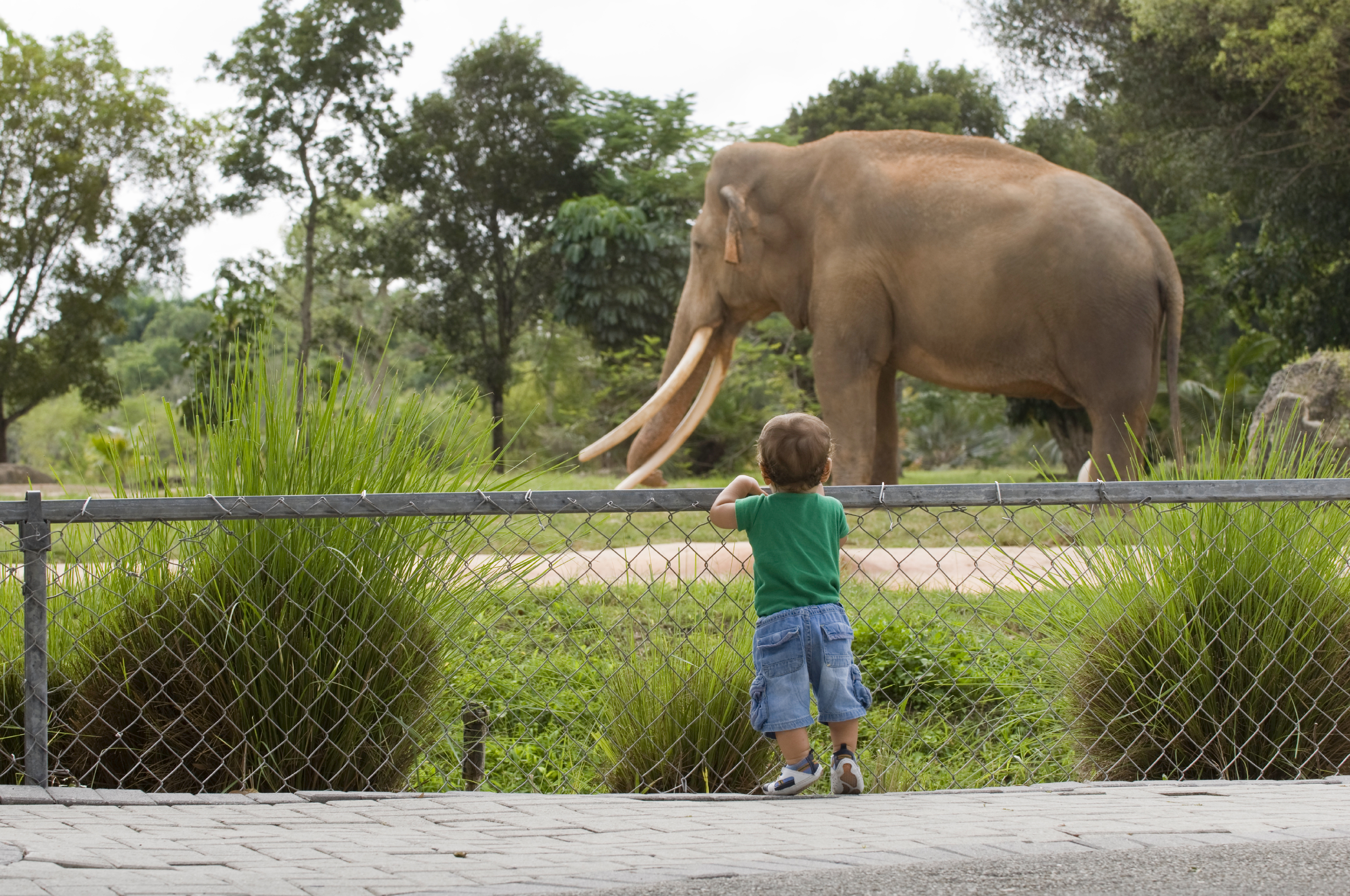
Image result for child at zoo
Source: ParentMap

Monday, February 6, 2017

For Help Understanding Animal Behavior, Look to Occam's Razor

A few years ago, while I was still attending college, I attended a talk by the famous animal researcher Dame Jane Goodall.  During the presentation, a video was shown of a captive-born chimpanzee being released into the wild.  The chimpanzee slowly walked out of the small cage that it had been transported in, looked around at the vast jungle that surrounded it, and promptly threw its arms around one of the humans that had brought it to its new home.  Close to where I was sitting, one of my fellow students cooed with delight, "Aw look at that!"  They said, "He's thanking her!"

Internally I cringed, for that person had done what I had always been taught to avoid during my education; they had anthropomorphized an animal's behavior.  Anthropomorphization is the attribution of human qualities, traits, and thoughts to non-humans, often without sound justification.  In this case, the audience member believed that, by hugging, the chimpanzee was thanking the researcher because that is what a human being would do.  In reality, chimpanzees hug when they are stressed and afraid because doing so releases dopamine in the brain and thus relieves stress.  The chimpanzee in the video was terrified due to it being dropped in a foreign jungle and it clung onto a nearby person to calm itself.  The situation is a bit less cute when examined closer, but it is important to understand the reality of animal encounters.

A few weeks ago, I came across a 2010 article by Sara Shettleworth titled, "Clever Animals and Killjoy Explanations in Comparative Psychology".  In the article, Dr. Shettleworth describes her alarm at an increase in anthropomorphization in animal behavior and psychology.  Modern research in those fields have discovered that many animal species possess cognitive and behavioral abilities that were once thought to only be available to humans.  An easy way to understand these newfound abilities is to attribute "human-like" qualities to the species in question.  However this way of thinking is oversimplified.

A stressed chimpanzee being consoled by Jane Goodall
Source: The Daily Mail
By assigning broad and anthropomorphic explanations to phenomena, the researchers and scientific writers are actually stifling further investigation.  The behaviors in question are not enigmatic and mystical facilities but instead complex cognitive abilities that are built upon rudimentary mechanisms.  The anthropomorphic explanations, while they may be exciting headlines for readers, are a disservice to the real fascinating processes at work.

Wednesday, January 11, 2017

Empathy No Longer Sets Humans Apart

Human beings want to believe that we are special.  We fervently cling to the ideas that our cleverness and powerful emotions are something unusual and extraordinary in the natural world.  Unfortunately science does not seem to hold humans in as high esteem.  Evolution, after all, is a completely random and directionless system.  It is also an incredibly connected system and the roots of many behaviors and traits can be found strewn across vast numbers of different species and families.  The more that we look for what makes us special, the more we find that we are not.  In the disciplines of cognition and intelligence especially, the borders that long separated humans and animals are becoming blurred.  Scientists are now finding startling similarities between animal brains and our own.
Image result for incorrect evolution
The historically famous, but incorrect, picture showing evolution having direction and culminating in the creation of man
Source: Unknown

If there is one thing that mankind has been proud of, it is empathy.  We have often bragged about our ability to feel for others and to offer help to those that need it.  Often, our art and literature paints the animal world as cruel and uncaring, while humans alone are able to work together to aid one-another.  Unfortunately for these compelling narratives, cognitive researchers have found empathy to exist in a number of animal species and believe that we are thinking of empathy in the wrong way.  In truth, empathy is a simple neurological process that serves as an internal rewards system for social behaviors.  Humans have deluded ourselves into believing what we were experiencing was some isolated phenomenon unlike any other.  This has clouded how we have viewed the cognitive abilities of our fellow animals.

Saturday, October 1, 2016

The Wildlife Farming Debate

Image result for Poaching
A Tiger-skin rug captured by Anti-poaching authorities
Source: bringbackbigcats.wordpress.com

Poaching and the illegal wildlife trade seem to be unstoppable.  We live in a modern society that is more environmentally conscious than any preceding generation, yet endangered and threatened animals continue to be decimated by the wants and whims of an international market.  Conservationists and law makers are now looking to implement creative approaches to fight the ever-growing illicit industry.  One such approach that has been disputatious is legal wildlife farming.  Many cringe at the mention of those three words put together and dismiss the practice as unethical and unthinkable.  Yet some are suggesting that this bold idea may be the only realistic way to cut at the demand that fuels the poaching business.

Friday, August 26, 2016

New Zealand's Cat Problem


By Riley Schwengel

If you are reading this then hopefully you have already read my piece about the Predator-Free New Zealand by 2050 plan.  If not then I suggest you read that first, as this piece is an addendum of sorts for that article.
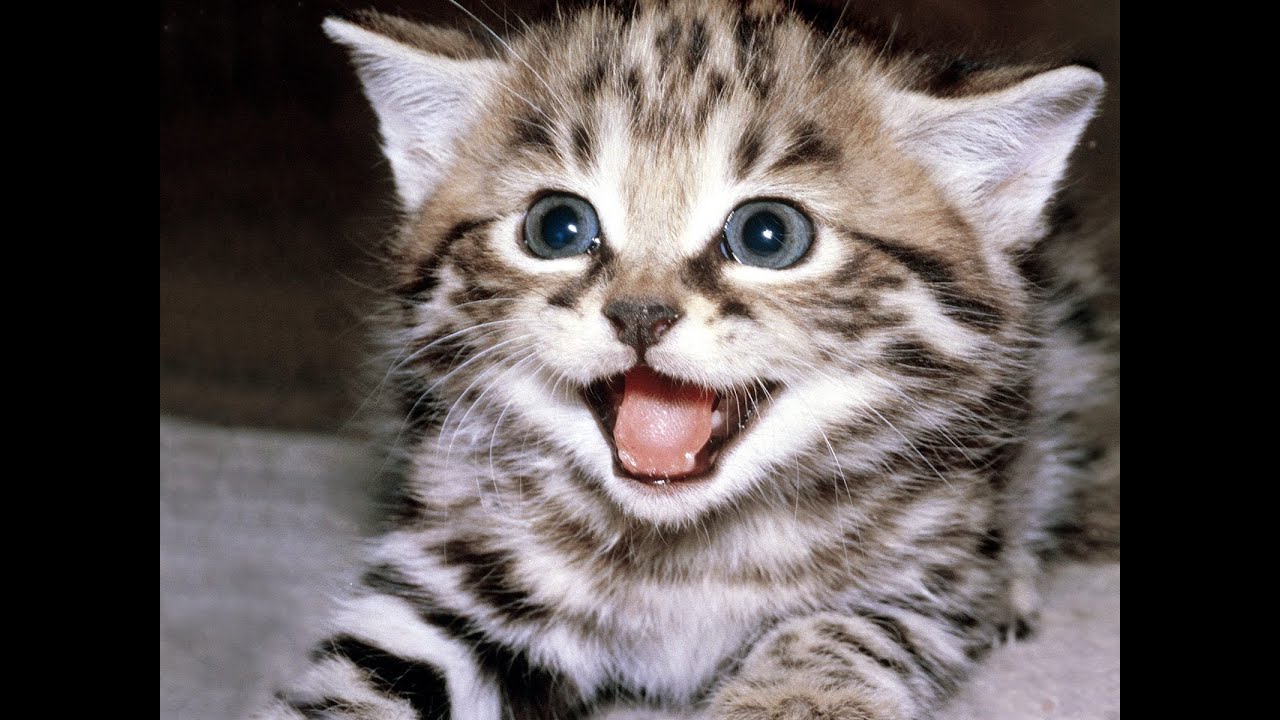
Image result for cute cat
A Ferocious and Damaging Predator
Credit: youtube.com

The Issue with Cats


New Zealand has committed themselves to be completely invasive predator-free by 2050 but the bold plan is inherently flawed because it does little to address one of the most damaging invasive predators in the entire country, domesticated and feral cats.  Although most cat-owners like to think of felines as nothing more than furry companions, domesticated cats are actually proficient hunters who wreak havoc upon native species.  And, while most Kiwis have acknowledged the benefits of having a predator-free country for their native and vulnerable wildlife, they seem unwillingly to make a hard stand about the country's cat population.  This is no small problem as New Zealand is home to 1.4 million domestic, 196,000 strays, and 14 million feral felines (statistics from stuff.co.nz), and has the most cats per capita of any country in the world.